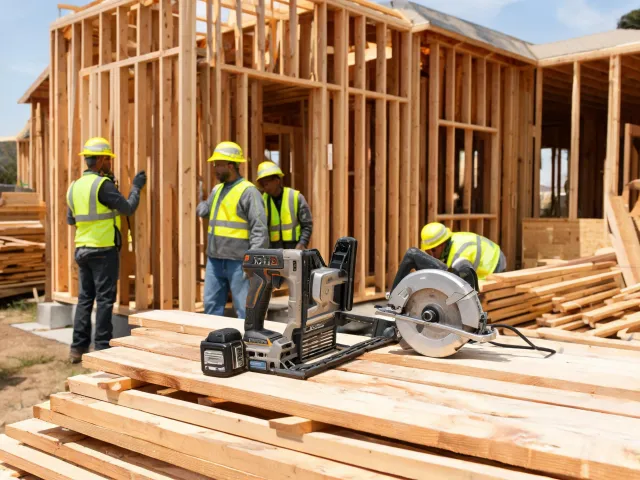
Framing & Structural Carpentry
Framing work rewards fast nail cycling, durable saws, and tool bodies that survive active floor decks. Crews benefit when cordless nailers and circular saws share a practical battery plan.
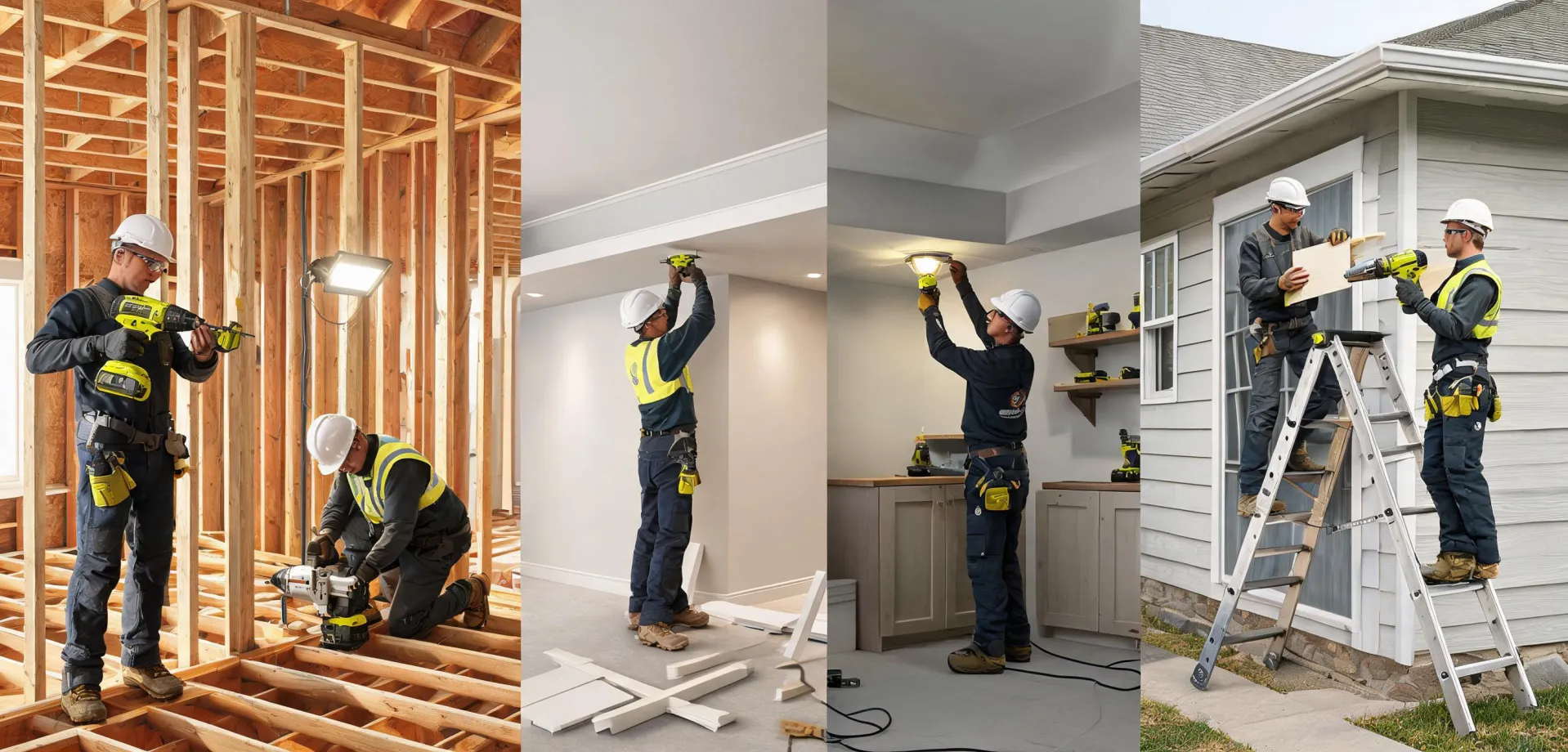
Application Grid
Industry fit is defined by the work sequence, not by a generic market label. A framing crew needs firing speed and structural fastening confidence. A finish carpenter needs clean placement and compact handling. A remodeler needs cordless flexibility in occupied spaces. A maintenance team needs reliable drilling, cutting, and fastening without carrying redundant chargers or incompatible packs.
Image Cards
These application cards focus on real trade decisions: air versus cordless fastening, compactness versus output, compressor noise, battery sharing, and whether the crew can service equipment without delaying the schedule.
Framing work rewards fast nail cycling, durable saws, and tool bodies that survive active floor decks. Crews benefit when cordless nailers and circular saws share a practical battery plan.
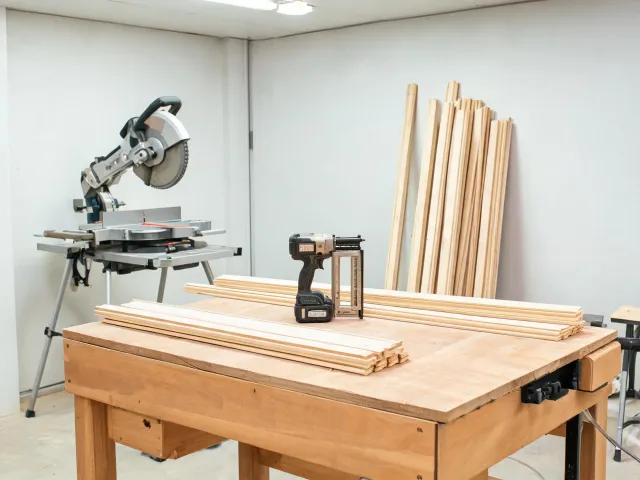
Trim teams need controlled fastening, compact tools, low disruption, and consistent drive depth. Pneumatic and cordless options can be matched to room access and punch-list speed.
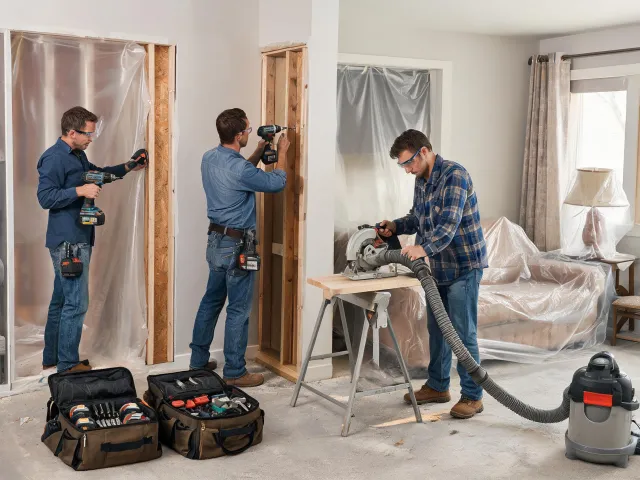
Remodelers move between demolition, fastening, cutting, and installation in tight spaces. Battery compatibility and portable compressors reduce setup drag across changing rooms.
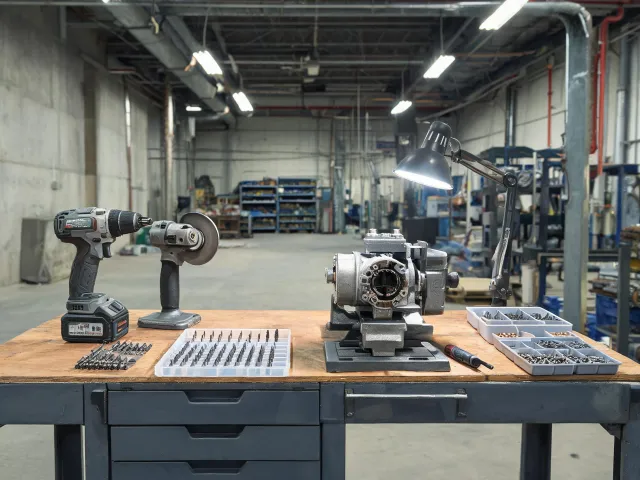
Maintenance teams need repeatable torque, compact drilling, quick cutting, and supportable tool inventories. The platform must keep everyday repair tasks moving without tool-room confusion.

Roofing, sheathing, siding, and deck crews balance speed with weather exposure, ladder movement, and power access. Tool selection should keep fastening and cutting efficient outside the shop.
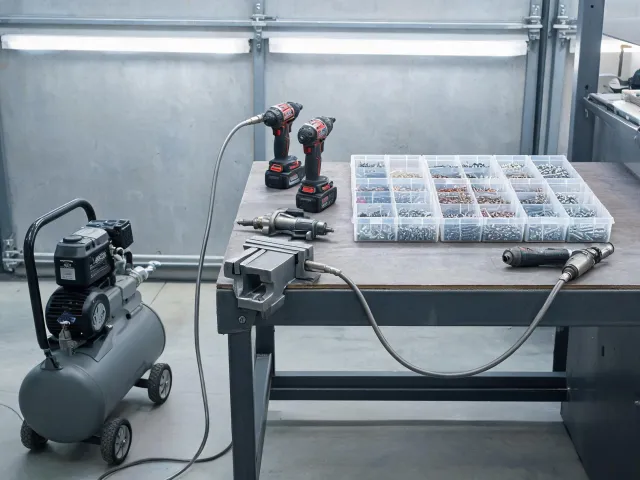
Bench production can pair compressor-backed fastening with cordless assembly tools. Stable air delivery, clean charging areas, and predictable accessories make repeat work easier to control.
Standard CTA
Tell us where your crew loses time: firing rate, battery swaps, compressor setup, cut capacity, service access, or accessory compatibility. A practical application review can narrow the product mix.